Weatherford TX Relocation & Moving Guide | Michael Ballinger Realtor

Weatherford Homes: Moving First, Buying Later? Real Estate Insights.
Published: February 08, 2026
The "Rent Before You Buy" Strategy in Texas: A Data-Driven Analysis for New Residents
Published: February 8, 2026
Introduction: Examining a Common Relocation Strategy
A popular article premise suggests that understanding the choices of interstate movers—specifically the trend of renting before buying—can offer significant insights into local housing markets and affordability challenges. For the thousands of individuals and families relocating to Weatherford, Texas each year, this guide provides tips and insights for a smooth move. The decision of whether to rent or buy immediately upon arrival is a critical financial and lifestyle choice. This analysis examines the "move first, buy later" trend within the Texas real estate landscape, providing a moving to Weatherford Texas guide with verifiable data from authoritative sources for prospective residents.
The State of the Texas Housing Market for Newcomers
The strategy of renting before purchasing a home in a new state is not new, but it has become particularly relevant in Texas due to several persistent market dynamics. New residents often cite the need to understand the state's diverse neighborhoods, intricate school district boundaries, and complex property tax systems before making a long-term commitment.
An analysis of market data reveals the core factors driving this trend:
- Sustained Population Growth: Texas continues to be a top destination for domestic migration. According to U.S. Census Bureau data, the state's major metropolitan areas, including Dallas-Fort Worth, Houston, Austin, and San Antonio, consistently rank among the fastest-growing in the nation. This influx of new residents creates a highly competitive environment for homebuyers.
- Housing Affordability and Price Stabilization: After several years of rapid price appreciation, the Texas housing market has entered a period of stabilization. According to the Texas Real Estate Research Center at Texas A&M University, statewide median home prices saw modest, single-digit growth through late 2025. While this has eased some pressure, prices in desirable urban and suburban locations remain elevated, requiring significant capital for a down payment.
- Interest Rate Environment: Fluctuations in mortgage interest rates significantly impact purchasing power. As noted in reports from Freddie Mac, even minor shifts in rates can alter monthly payments by hundreds of dollars, causing many potential buyers to pause and wait for more favorable financing conditions while they rent.
A Deeper Dive: Correcting Common Misconceptions with Texas-Specific Facts
While the general trend of renting first is clear, several misconceptions about the Texas market can mislead new residents. Here, we clarify these points with verified information.
Misconception 1: "Property taxes are roughly the same everywhere in Texas."
Fact: This is inaccurate. Texas has no state income tax, but it has some of the highest average effective property tax rates in the United States. Crucially, these rates are not uniform. They are a combination of county, city, school district, and special district (e.g., Municipal Utility District or MUD) taxes.
- Evidence: Data from the Texas Comptroller of Public Accounts shows that the total tax rate can vary dramatically, even between neighborhoods in the same city. For example, a home in a new suburban development with a MUD can have a total tax rate exceeding 3%, while a home in an established, older neighborhood in the same county might be closer to 2%. For a $400,000 home, this difference can amount to $4,000 or more in annual taxes.
- Key Consideration for Homeowners: The Texas Homestead Exemption can provide significant tax relief for primary residences, but it is only available to property owners, not renters. New residents should research the specific tax rates for any area they consider buying in.
Misconception 2: "Finding a home to buy is simple once you're here."
Fact: While renting allows time to search, the home buying process in Texas involves specific legal documents and market conditions that require careful navigation.
- Evidence: The Texas Real Estate Commission (TREC) promulgates standardized contract forms that are used in nearly all residential transactions. These contracts have specific performance timelines and legal obligations. For instance, the "Termination Option" period is a critical, negotiable timeframe that allows a buyer to terminate the contract for any reason. Newcomers unfamiliar with these terms may find themselves at a disadvantage.
- Seller's Disclosure Notice: Texas law requires most sellers of single-family homes to provide buyers with a Seller's Disclosure Notice. This document details the seller’s knowledge of the property's condition. Renting provides time for new residents to learn about common local issues to look for in these disclosures, such as foundation problems in areas with expansive clay soil or a property's flood history.
Misconception 3: "Renting is always cheaper than buying in the short term."
Fact: This is partially accurate but requires context. While a monthly rent payment may be lower than a mortgage payment for a comparable property, the financial picture is more complex, and rising rental rates are a major factor.
- Evidence: The Texas Real Estate Research Center’s data on rental markets in major metros like Austin and Dallas-Fort Worth indicates that rental rates for single-family homes and apartments have seen steady increases. In high-demand areas, the cost of renting can approach or even exceed the principal, interest, taxes, and insurance (PITI) of an equivalent owned home, especially for buyers with a substantial down payment.
- The Full Equation: A true comparison must account for the loss of potential equity, tax deductions for mortgage interest and property taxes, and the long-term benefit of locking in a fixed housing cost that a mortgage provides. Renting offers flexibility but builds no equity.
Conclusion: Making an Informed Decision Based on Verifiable Data
The "move first, buy later" strategy is a logical and prudent approach for many relocating to Texas. It allows newcomers the invaluable opportunity to learn the state's diverse communities and complex real estate market before making one of the most significant financial decisions of their lives.
However, this strategy is most effective when based on a clear understanding of verifiable facts rather than assumptions. The realities of the Texas housing market—including its highly localized property tax structures, specific legal frameworks, and fluctuating affordability—demand careful research. Prospective buyers and renters should prioritize information from objective, authoritative sources to guide their decisions. Relying on verified data from institutions like the Texas Real Estate Research Center, the Texas Comptroller, and TREC is the surest way to navigate a successful transition into the Lone Star State.
Sources:
- Texas Real Estate Research Center at Texas A&M University (for market data and trends).
- U.S. Census Bureau (for population and migration statistics).
- Texas Comptroller of Public Accounts (for property tax information and homestead exemptions).
- Texas Real Estate Commission (TREC) (for regulations and consumer information).
- Freddie Mac (for national mortgage market analysis).
Meta Description:
Planning a move to Texas? This data-driven analysis examines the "rent before you buy" trend, covering Texas housing market data, property taxes, and key facts.
Image Alt Text Suggestion:
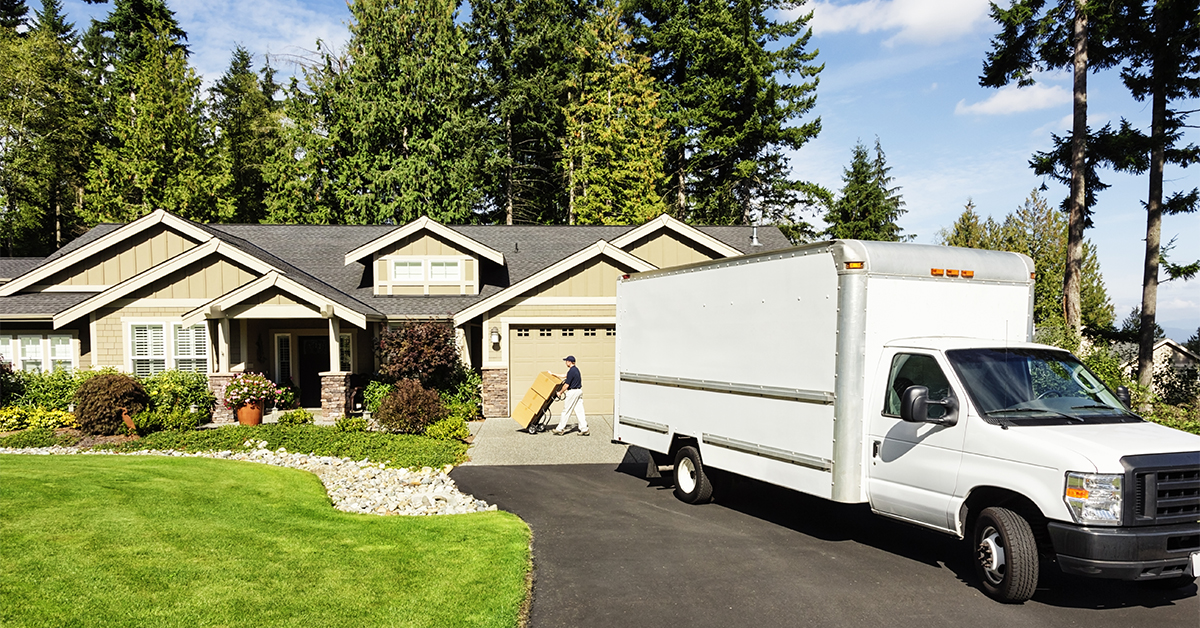
Moving van parked in the driveway of a suburban home, representing a family moving to a new state like Texas.


Comments
Post a Comment